Elika Windows — Partner Presentation
European uPVC Windows — Houston, TX

Built for Builders,
Architects & Contractors

Exclusive trade pricing on premium European uPVC windows — backed by a local US warranty, German-engineered performance, and dedicated support for your projects.

0.24
U-Factor — Whole Window
RC2
Burglar Resistance Rating
45dB
Max Sound Reduction
10yr
Local US Warranty
General Contractors Architects & Designers Home Builders Developers Remodeling Contractors Window Installers German-Engineered uPVC ENERGY STAR Compliant Houston, Texas General Contractors Architects & Designers Home Builders Developers Remodeling Contractors Window Installers German-Engineered uPVC ENERGY STAR Compliant Houston, Texas
00

What is uPVC — and Why Does it Matter?

The American Standard
Vinyl
PVC + Plasticizers
Plasticized Polyvinyl Chloride — PVC with softening additives

Vinyl is made from PVC blended with plasticizers — chemical softeners that make it flexible and cheap to extrude. It became the default American window frame from the 1980s onward. The trade-off: plasticizers migrate out over time, causing the profile to become brittle, discolored, and dimensionally unstable under UV and heat.

The European Standard
uPVC
No Plasticizers
Unplasticized Polyvinyl Chloride — PVC without softening additives

uPVC is the same base polymer — without plasticizers. Removing softeners makes it rigid, dense, and chemically stable. European manufacturers then compound it with high concentrations of UV stabilizers, thermal stabilizers, and impact modifiers — producing a profile engineered for 30–50 year service life in any climate.

Same base polymer — completely different engineering

Both are PVC at the molecular level. The difference is what additives go in, at what concentrations, and what standards the profile is held to. American vinyl is optimized for cost. European uPVC is optimized for long-term performance under UV, heat, cold, and physical stress. The three additives below are where that gap is built.

What's inside
Standard Vinyl
European uPVC
UV Protection (TiO₂)
Prevents yellowing & color fade
Low concentration — yellows within 10–15 yrs
Higher concentration — color-stable for decades
Thermal Stabilizers
Prevents cracking under heat
Lead-based — banned in EU since 2015
Calcium-Zinc — safe, durable, EU-compliant
Plasticizers
Affects rigidity & long-term shape
Present — causes brittleness & warping over time
None — rigid & dimensionally stable by design
Impact Modifiers
Fracture & crack resistance
Minimal — prone to chipping on impact
High concentration — resists cracking & hail
Expected Lifespan
Under typical outdoor conditions
15–20 years in high-sun climates
30–50 years — engineered for longevity

The bottom line

European uPVC is engineered with higher concentrations of UV stabilizers, thermal stabilizers, and impact modifiers — and without the plasticizers that degrade standard vinyl over time. This ensures the material is more durable, remains color-stable under direct sunlight, and offers a much longer service life. It's a formulation difference that shows up in real-world performance after 10, 20, and 30 years in the field.

01

First Look at the Profile Design

Standard Comparison
High-End American Vinyl / Single-Hung
Typical Market
Standard American vinyl window profiles
2–3
Chambers
0.071–0.079"
Wall Thickness
Sash only
or none
Steel Reinf.
Elika European System
uPVC — Elika 60 / Elika 70 Series
Our System
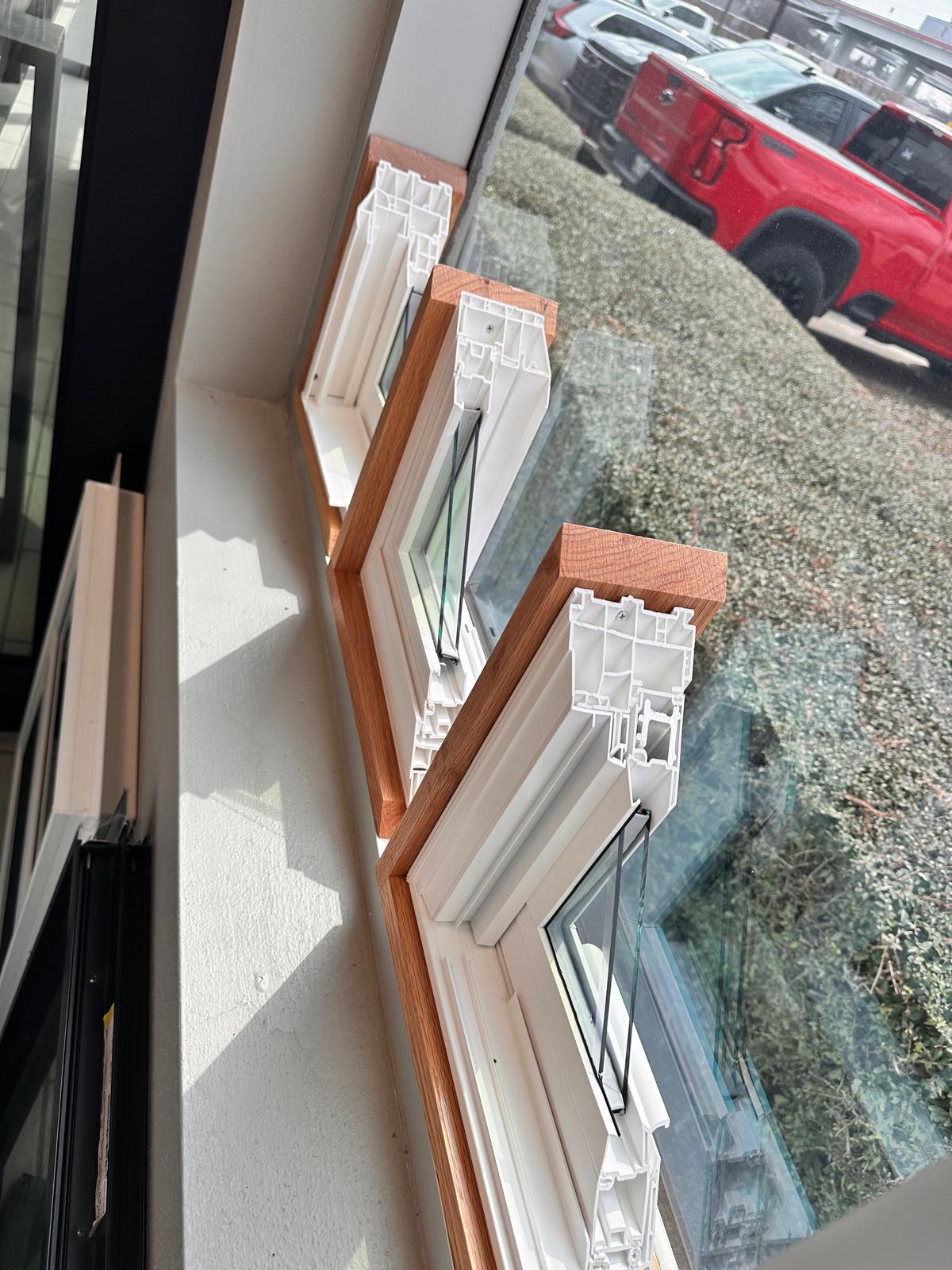
Elika 70 2-Pane Angle
Elika 70 2-Pane Corner
Elika 70 Profile
5
Chambers
0.102"
Wall Thickness
Frame + Sash
up to 0.118"
Steel Reinf.

Our Full Lineup — All Three Systems

uPVC · Performance · 5-Chamber
Elika 70 — 2 Panes
uPVC · Elite · 5-Chamber
Elika 70 — 3 Panes
uPVC · Value · 4-Chamber
Elika 60 — 2 Panes

Structural Differences — At a Glance

Internal ChambersAffects insulation & structural rigidity
◦ Typical: 2–3 chambers  →  Elika: 5 chambers
Wall ThicknessGoverns strength & long-term durability
◦ Typical: 0.071–0.079" (1.8–2.0 mm)  →  Elika: up to 0.102" (2.6 mm)
Steel ReinforcementCritical for large window stability
◦ Typical: Sash only — or none  →  Elika: Frame + Sash, up to 0.118" (3 mm)
Reinforcement as StandardNot an add-on upgrade
◦ Many brands charge extra for steel  →  Elika: always included at no extra cost

Conclusion

These structural differences result in a stronger frame, better sealing, and improved long-term performance compared to many standard vinyl window profiles — at a construction level, not just a marketing claim.

02

Air Leakage and Sealing System

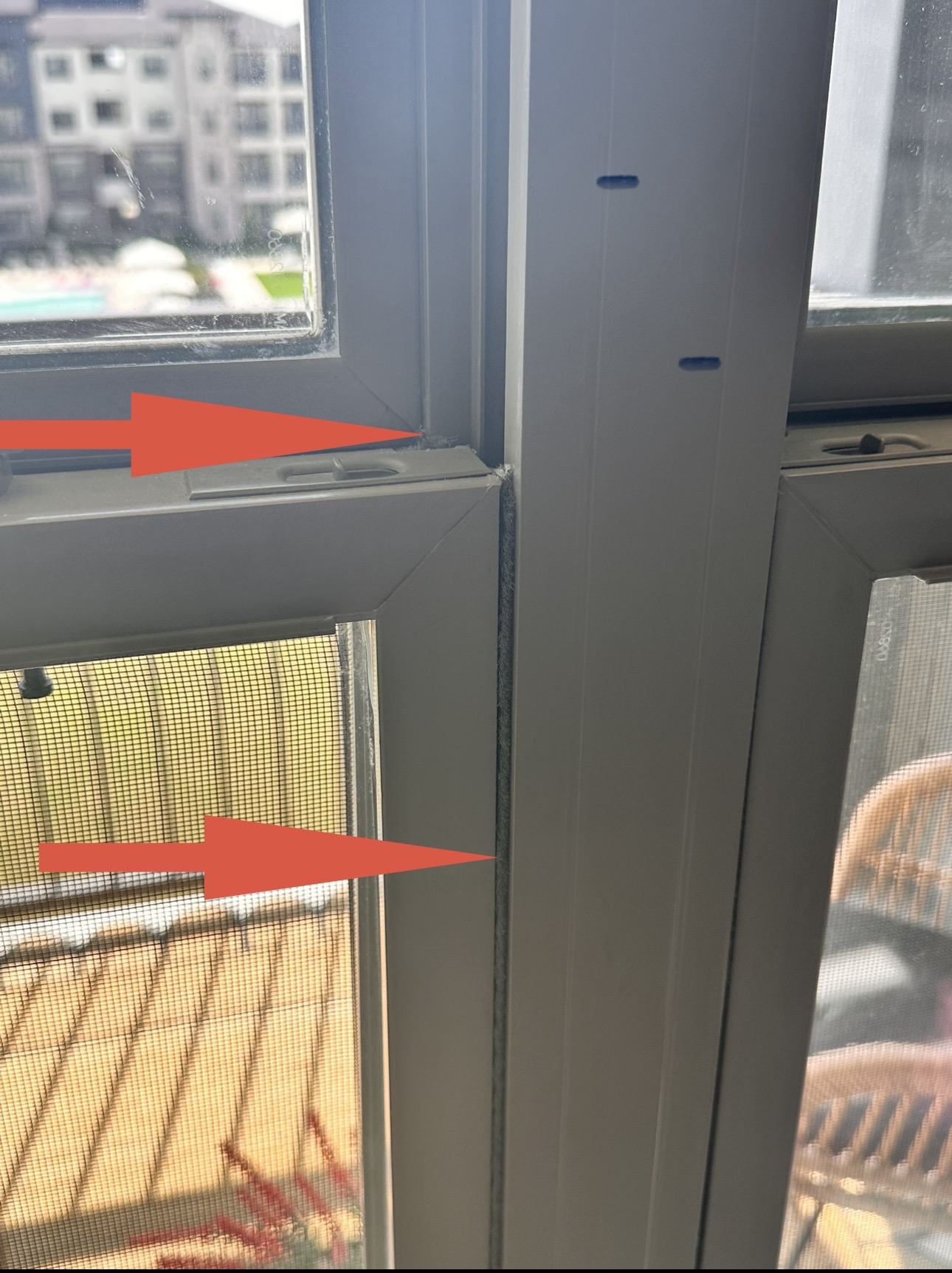
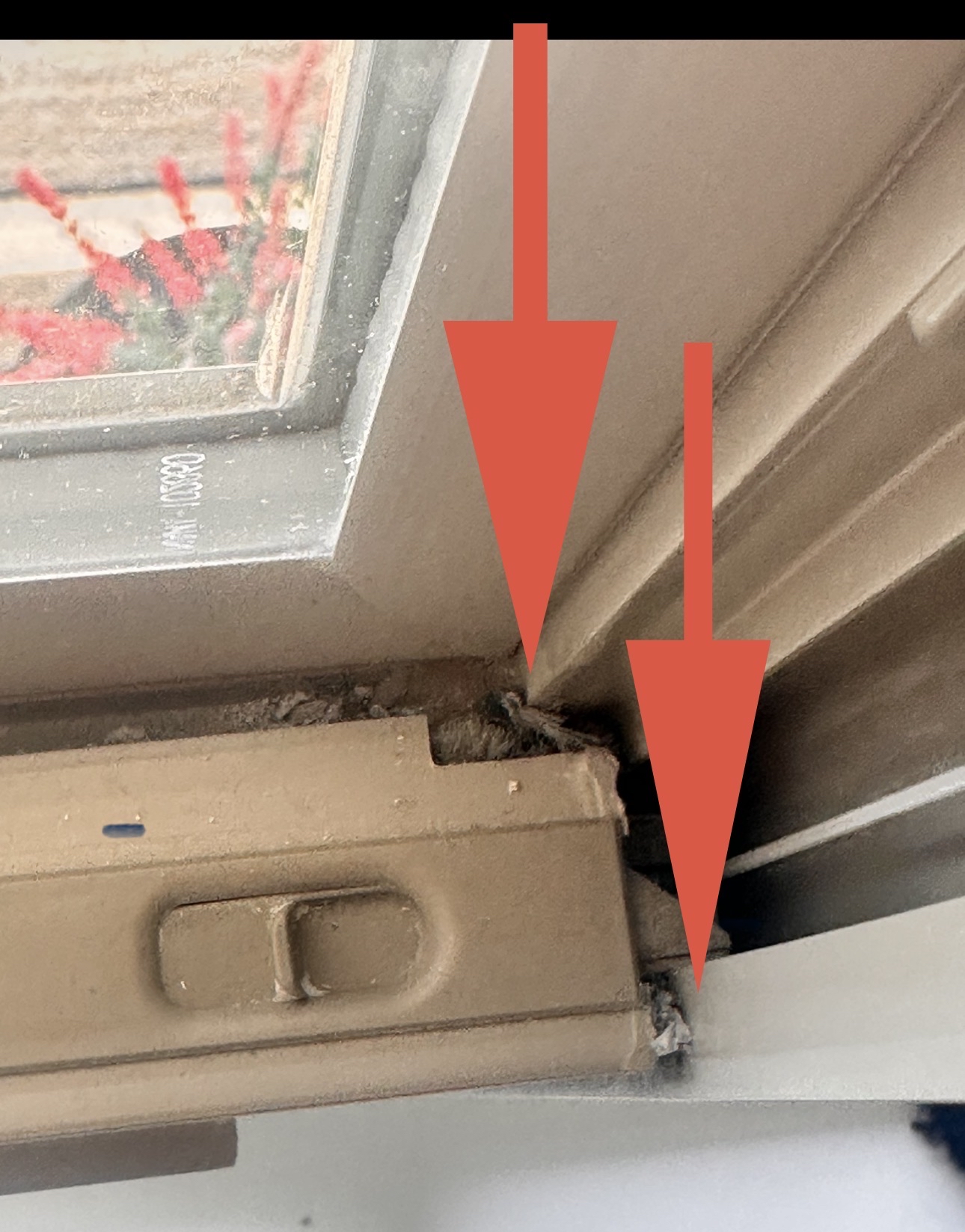
Standard Vinyl — Air Leakage TestBrush Seal System
⚠️

Important context: This test was filmed on a completely normal, calm day — no wind, no storm conditions whatsoever. Despite that, the closed window is visibly leaking air and sound through the brush seal gaps. In real Texas storms or high-wind conditions, the leakage would be dramatically worse.
Elika UPVC — Air Tightness TestEPDM Compression Seal
Vinyl brush seal closeup 1 Vinyl brush seal closeup 2 Vinyl brush seal closeup 3

Brush Seals / Weatherstripping — Common in Standard Vinyl

Many standard vinyl systems use brush weatherstrips that leave small gaps between the bristles and the frame surface, allowing air infiltration and outside noise to pass through — even on a completely calm day.
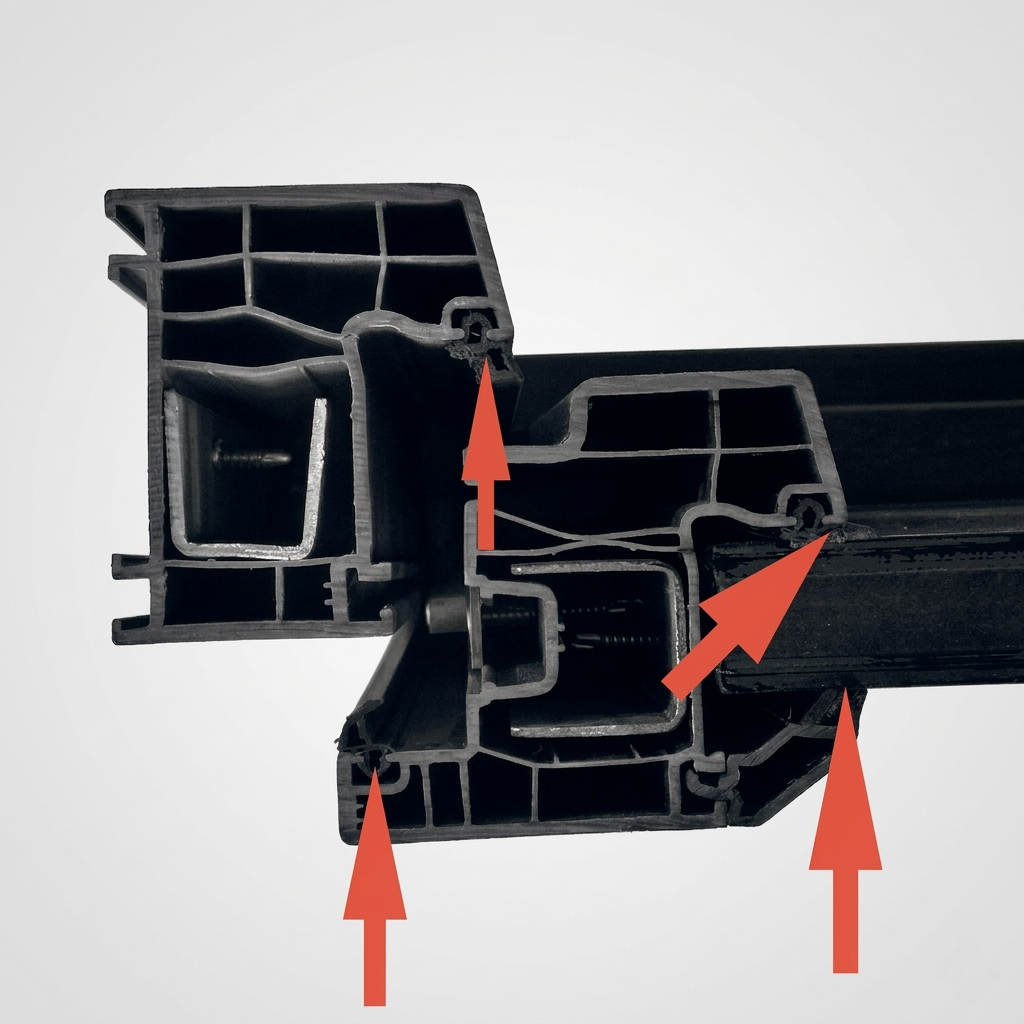
Elika uPVC profile — EPDM compression seal

EPDM Compression Seal — Elika Standard

Our system closes against four sealing lines using advanced EPDM rubber gaskets. This compression design eliminates air gaps entirely — creating a tight seal that holds even under industrial blower / storm-force wind pressure.

Brush Seals Degrade Over Time

Brush seals compress and wear down with repeated use, widening the gap year after year. Performance drops significantly over time — especially under wind pressure — with no self-correcting mechanism.

~60% Tighter Than Standard Vinyl

Elika achieves EN 12207 Class 4 air tightness — approximately 60% tighter than typical vinyl windows — delivering measurably fewer drafts, less dust infiltration, and better year-round comfort in any climate.

Elika Sealing Architecture
Four Independent Sealing Lines
When the window closes, it compresses simultaneously against four separate EPDM gasket lines — outer seal, mid seal, inner seal, and sill seal — creating a continuous airtight barrier with no brush gaps and no pressure weak-points. Tested under industrial blower conditions mimicking storm-force winds: zero leakage detected.
1×
Standard
Brush Seal
vs
4×
EPDM
Gasket Lines
C4
EN 12207
Air Class
03

Sound Insulation

Standard Vinyl — Sound Leakage (Calm Day)
⚠️ Calm day, no wind — still leaking sound. In real conditions, far worse.
Standard Vinyl

Limited Sound Barrier

Standard vinyl windows often allow noticeable sound transmission, mainly due to their sliding design and limited sealing points. A single latch provides minimal frame compression, leaving gaps where outside noise and vibration pass through even when the window is closed.

~29dB
Standard Vinyl — Basic Sound Reduction
Sound Reduction Test — Elika UPVC
Live acoustic performance test — hear the dramatic difference between inside and outside noise levels.
Elika System

Superior Acoustic Insulation

Our system provides superior acoustic insulation thanks to the multi-chamber uPVC profile and multi-point locking system, which creates a tight compression seal around the entire frame. This significantly reduces outside noise and vibration — traffic, aircraft, and urban noise are dramatically cut down.

41–45dB
Elika 70 — Sound Reduction
04

Locking System

Standard Vinyl Window
Typical Market
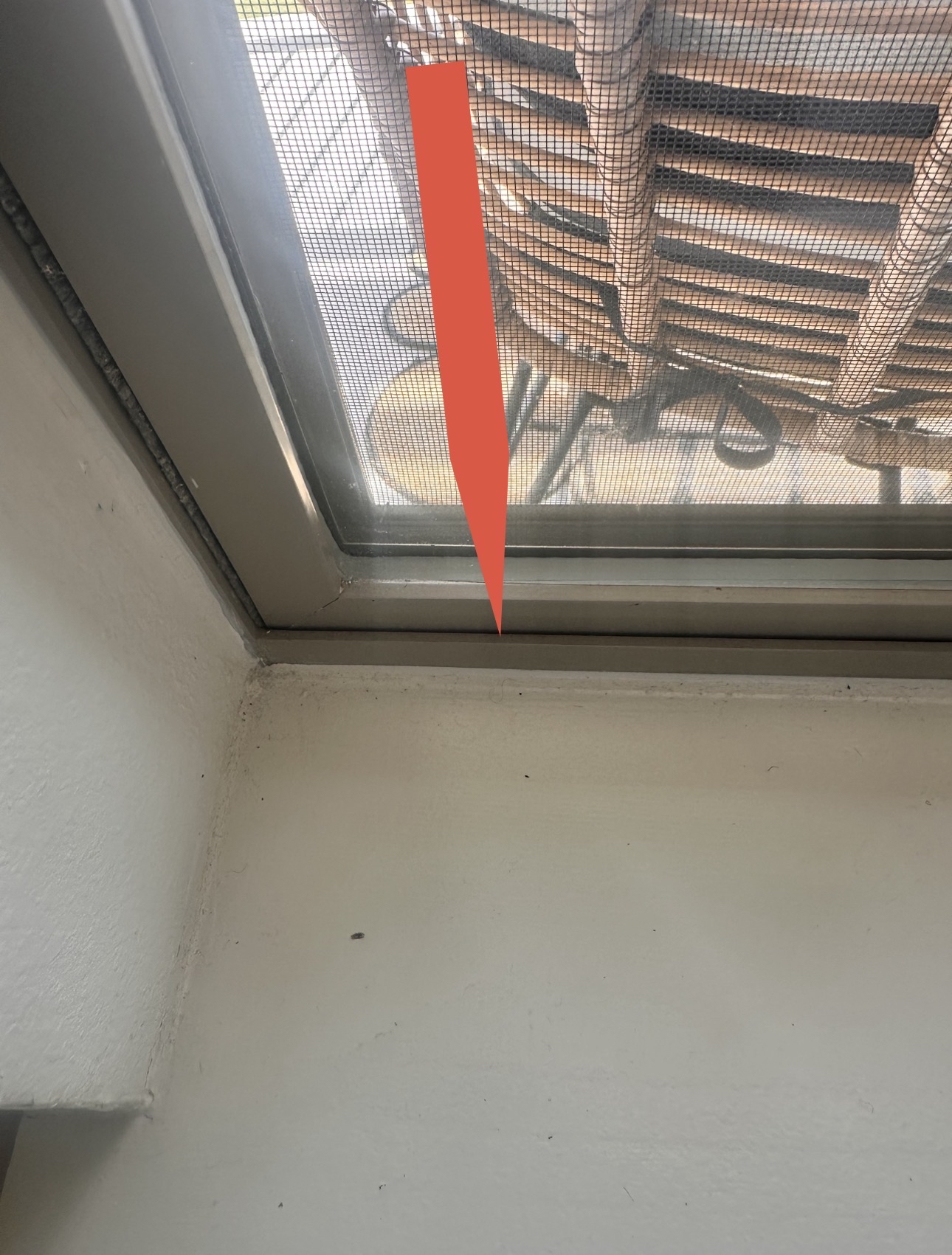
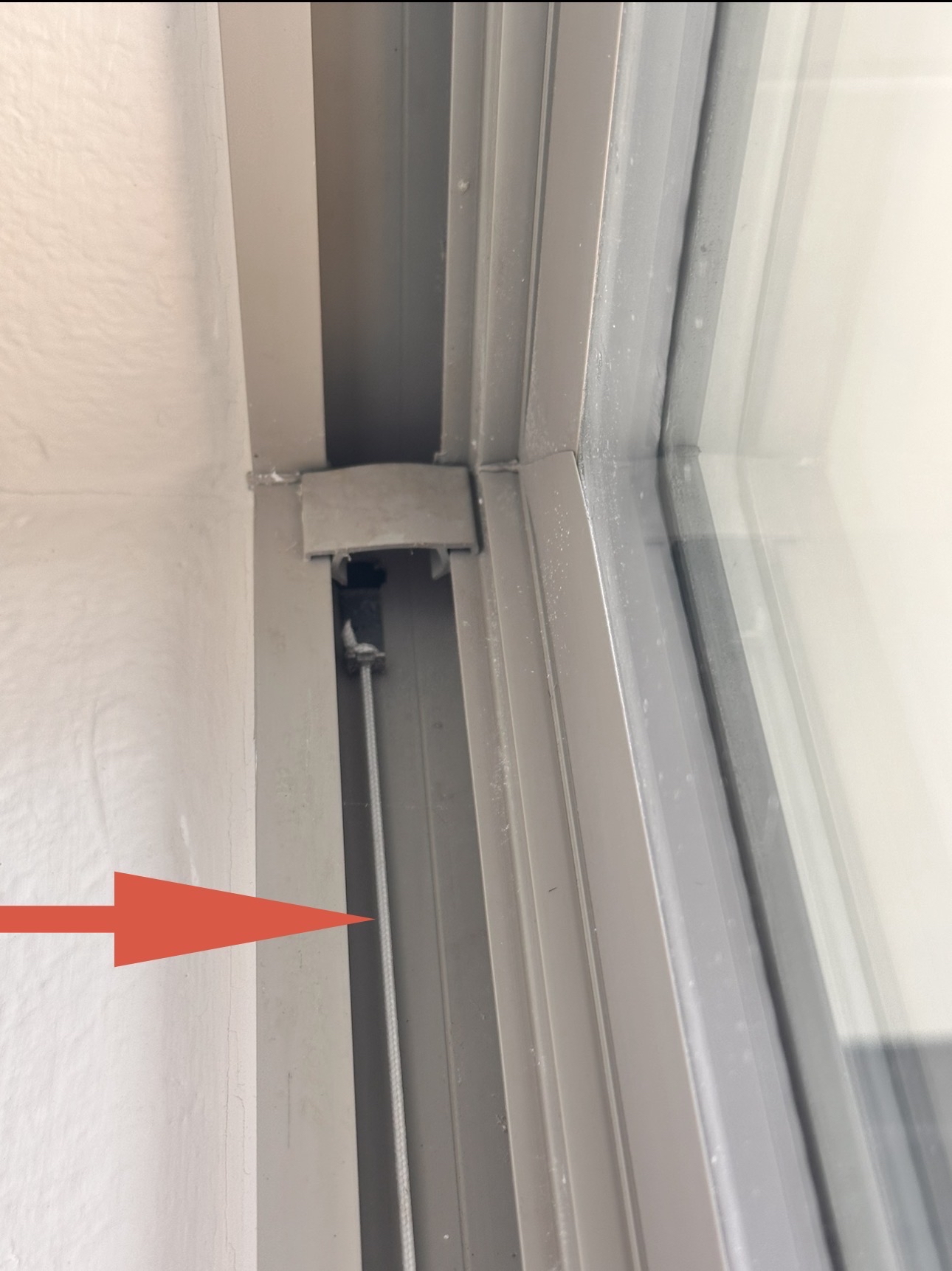
Standard vinyl plastic latch locks Vinyl window balancer accessory
1–2 Plastic Latches
Simple snap latches — minimal compression, no perimeter sealing, limited security. Standard on most US vinyl windows.
Elika — Roto NX System
Our System
Elika multi-point steel locking — Roto NX system
4–6 Steel Lock Points — RC2 Rated
All points engage simultaneously — pulling the sash tight against the frame on every side. Steel hardware throughout, no plastic components.
Standard Vinyl

Simple Plastic Latch

In typical American vinyl windows, the locking system is simple and traditional — often using one or two plastic latches to secure the sash. This provides minimal frame compression, limited security, and leaves the seal partially open around the perimeter of the window.

Elika System

Multi-Point Steel Locking — Vault-Like Compression

Our system uses a much more advanced multi-point locking mechanism. Even a small window can have 4 to 6 locking points depending on size — all engaging simultaneously to pull the sash tightly against the frame. All locking components are made from steel hardware — not plastic.

Standard Vinyl
1–2 points
Plastic latch
vs
Elika System
4–6 points
Steel hardware · RC2 rated
05

The Glass — SunGuard SN 50 T & Other Options

Not all glass is equal — Elika uses SunGuard SN 50 T

Most standard windows use basic clear glass that freely lets in heat, UV, and glare. Elika windows are glazed with SunGuard SuperNeutral SN 50 T — a premium silver-coated Low-E glass made by Guardian Glass, an American manufacturer (Michigan-based, part of Koch Industries). It's engineered to block solar heat while maintaining crystal-clear natural light. Unlike tinted glass that darkens a room, our SN 50 T is optically neutral — matching the natural outdoor light perfectly, so the view stays true and bright even with full solar protection active.

Familiar reference point: SunGuard SN 50 T performs in the same range as Cardinal 366 — a glass many US builders and architects already know. The key difference: Cardinal 366 has a noticeable green tint that affects the view and natural light. Our SN 50 T delivers the same Low-E performance numbers without any color tint — the glass stays completely clear and neutral.
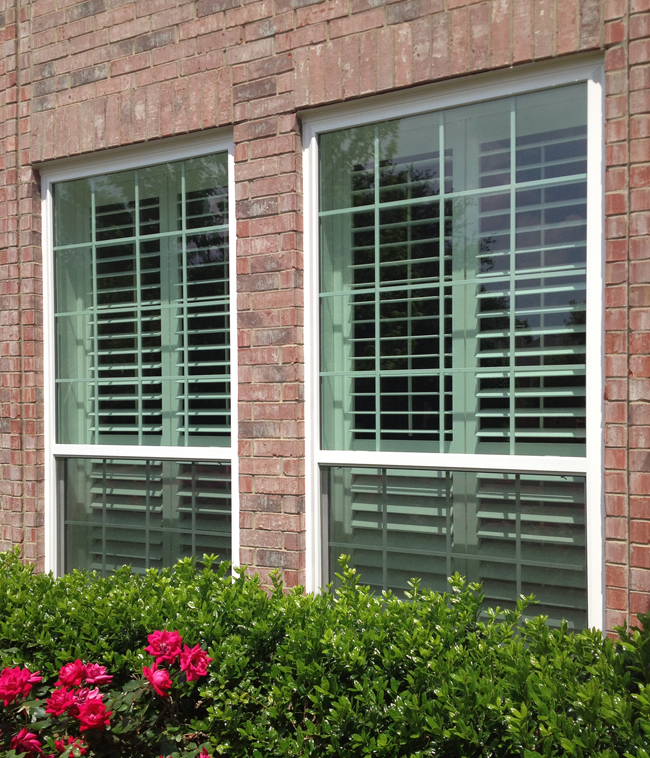

Available glass options:
Clear Low-E (standard — fully neutral)
Tinted Black (also Low-E coated)
Common US Low-E glass
Cardinal 366 — Low-E + Argon
Market Standard
Cardinal 366 glass — visible green tint
⚠ Notice the green tint on the glass
Good Low-E performance — similar SHGC and U-Value range to SN 50 T
Widely specified — common in US construction, familiar to builders and architects
Visible green color tint — the coating gives the glass a green hue, affecting the view and natural light color inside
Color shifts indoors — objects, walls, and daylight take on a greenish cast through the glass
Not optically neutral — reduces CRI accuracy, matters in homes with art, finishes, or design-forward interiors
Elika standard glass
SunGuard SN 50 T — Low-E + Argon
Our Glass
SunGuard SN 50 T — crystal clear neutral glass
✓ Completely clear — no tint, no color shift
Crystal clear & optically neutral — matches natural outdoor light perfectly, CRI 89.7
Same Low-E performance as Cardinal 366 — SHGC 0.26, blocks 74% of solar heat
UV transmittance only 20% — protects furniture, flooring, and artwork from fading
Argon gas fill — denser than air, reduces heat conduction between panes
LSG ratio 1.82 — more light per unit of heat entering than most Low-E options
Technical Documentation
SunGuard SN 50 T — Official Datasheet
Download PDF
Performance Numbers — Side by Side
Solar Heat Gain (SHGC) Lower = less heat entering
Cardinal 366 — 0.27 SN 50 T — 0.26
Cardinal 366 — 0.27  ·  blocks 73% of solar heat
SunGuard SN 50 T — 0.26  ·  blocks 74% of solar heat
Visible Light Transmission (VLT) Higher = brighter interior
Cardinal 366 — 40% SN 50 T — 48%
Cardinal 366 — 40% visible light  ·  green tint shifts color
SunGuard SN 50 T — 48% visible light  ·  fully neutral color
UV Transmittance Lower = less fading to furniture & floors
Cardinal 366 — ~16% SN 50 T — 20%
Cardinal 366 — ~16% UV through  ·  strong UV blocking
SunGuard SN 50 T — 20% UV through  ·  80% blocked

Both are high-performance Low-E glasses with very similar numbers. The real difference is optical clarity — SN 50 T lets in 20% more visible light and does it without any color tint, while Cardinal 366's green coating is visible on the glass and shifts the light color indoors.

SunGuard Design Principle
"Light without the heat"

SN 50 T is engineered so your home gets 48% visible light transmission — a bright, naturally lit interior — while only 26% of solar heat energy actually enters the room. That ratio is what makes it ideal for Texas, where the sun is both a light source and a heat problem.

Light-to-Solar-Gain Ratio
48%
LIGHT
IN
÷
26%
HEAT
IN
=
1.82
LSG
RATIO
Higher LSG = more light, less heat entering

Full Performance Data — SunGuard SN 50 T (Double Glazed with Argon)

Visible Light
48%
Transmittance (τv)
13%
Reflectance Outside
17%
Reflectance Inside
89.7
Color Rendering (CRI)
Solar Energy Control
0.26
SHGC — Solar Heat Gain
22%
Solar Transmittance
36%
Solar Reflectance Out
42%
Solar Absorbed by Glass
Thermal, UV & Efficiency
1.63 W/m²K
U-Value (Winter night)
1.57 W/m²K
U-Value (Summer day)
20%
UV Transmittance
1.82
Light-to-Solar Gain (LSG)

* Performance data per Guardian Glass technical datasheet. Calculated in accordance with NFRC 2010 standards. Double-glazed unit: 6mm SN 50 T / 12mm Argon / 6mm Clear.

SHGC 0.26
Only 26% of the sun's heat enters the room. The rest is reflected back outside by the silver coating — before it ever becomes a problem for your AC.
CRI 89.7
A Color Rendering Index of 89.7 means colors inside look true and natural — no yellow tint, no grey cast. The glass stays optically neutral while still blocking heat.
UV Only 20%
80% of UV is blocked. That protects your hardwood floors, rugs, furniture, and artwork from sun bleaching — without needing curtains or blinds to do the job.

Why this glass matters for Texas specifically

Texas summers average 95–105°F with intense direct sun for 10+ months of the year. Standard glass turns your home into a greenhouse. The SN 50 T coating works like a one-way mirror for heat — light comes in, heat stays out — so your AC runs less, your bills drop, and your rooms stay comfortable even next to large windows. Combined with our 5-chamber uPVC frame and Argon gas fill, the complete window system delivers industry-leading thermal performance purpose-built for hot climates.

06

Opening and Operation System

Standard Vinyl

Single / Double-Hung

Standard vinyl single-hung window operation
  • Only slides up or down — limited ventilation control
  • Cannot open fully inward — restricted airflow
  • Exterior glass must be cleaned from outside
  • Upper-floor maintenance is difficult and unsafe
  • Single plastic latch — minimal frame compression
Elika System

European Tilt & Turn

European Tilt and Turn window — two opening modes
  • Turn mode: opens fully inward for maximum airflow & emergency egress
  • Tilt mode: top tilts in for secure ventilation without fully opening
  • Clean exterior glass safely from inside — no ladders needed
  • Ideal for upper floors and hard-to-reach installations
  • Multi-point lock engages in both positions — full perimeter seal
07

Thermal Insulation System

Glass Thermal Insulation Test
Heat transfer tested directly through the Low-E Argon glass under simulated Texas summer conditions.
Standard Vinyl

Limited Thermal Performance

In many traditional vinyl windows, effective thermal insulation is limited because air leakage allows outside heat to enter the home. The glass is also relatively thin: typically around ¾" insulated glass, with pane thicknesses of 3/16" and 1/8", providing limited thermal resistance against Texas heat.

Standard Vinyl Glass
3/16"
Air
1/8"
≈ ¾" total
No Argon · Basic Low-E
Frame Thermal Insulation Test
Multi-chamber uPVC frame tested for heat transfer and cold bridging — zero surface condensation.
Elika System

Thicker Glass + Compression Seal = Real Comfort

Each pane is approximately ¼" thick tempered glass, with a total IGU of 1 inch. The glass is Low-E coated and filled with Argon gas for superior thermal efficiency. Combined with the multi-point compression seal that eliminates air leakage, the result is dramatically lower heat transfer and improved indoor comfort year-round.

Elika Glass System
¼"
Argon
¼"
1" total
Argon fill · Low-E · Tempered
08

Installation Method

Standard Vinyl

Nail Fin — New Construction Only

Nail Fin Wood frame only — new construction
Nails driven directly into wood framing — wall must be open
  • Designed for new wood-frame construction only
  • Not suitable for masonry, steel, or concrete walls
  • Hard to use in replacement or remodeling jobs
  • Wall framing must be fully exposed to install
Elika / European System

Installation Clips — Any Wall Type

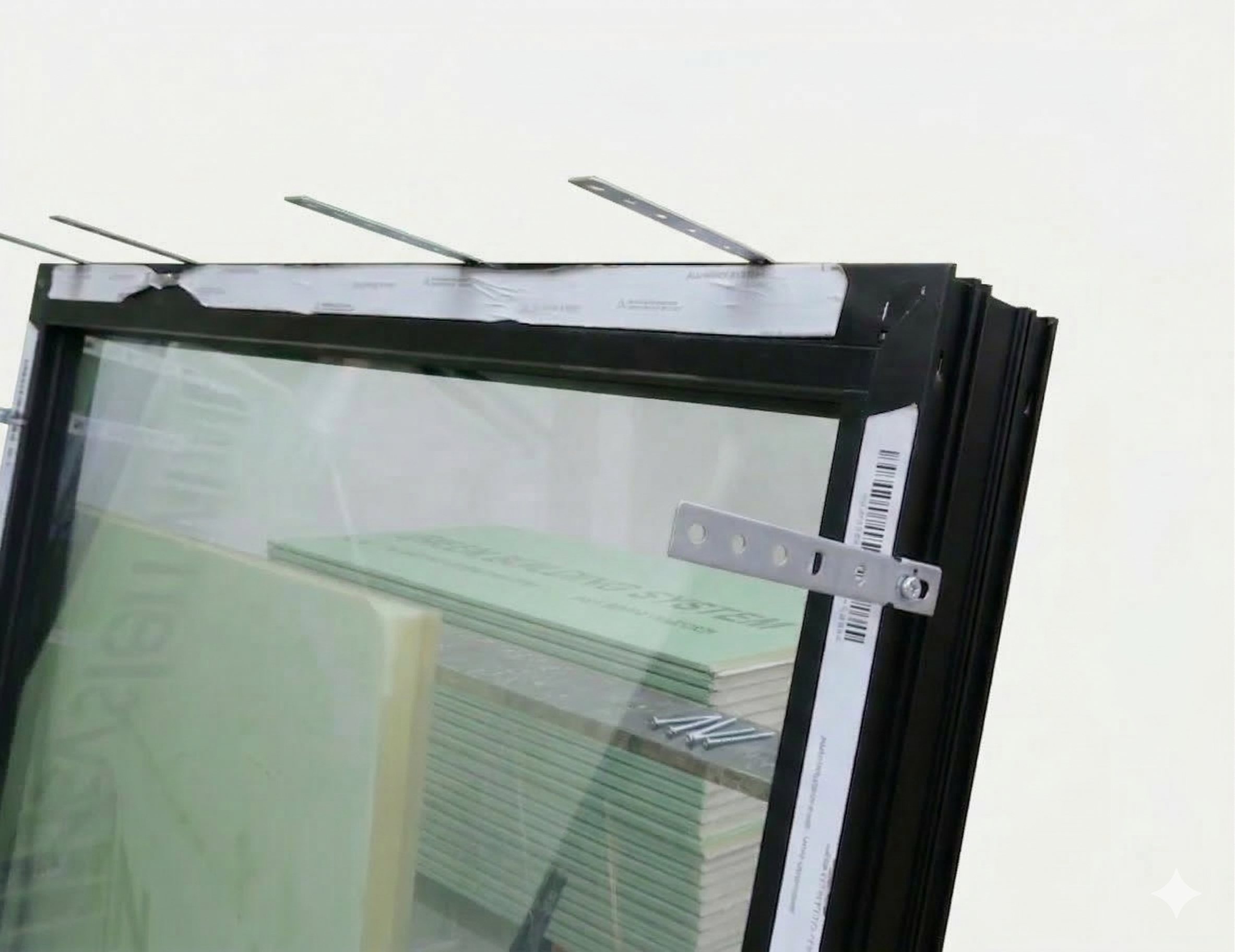
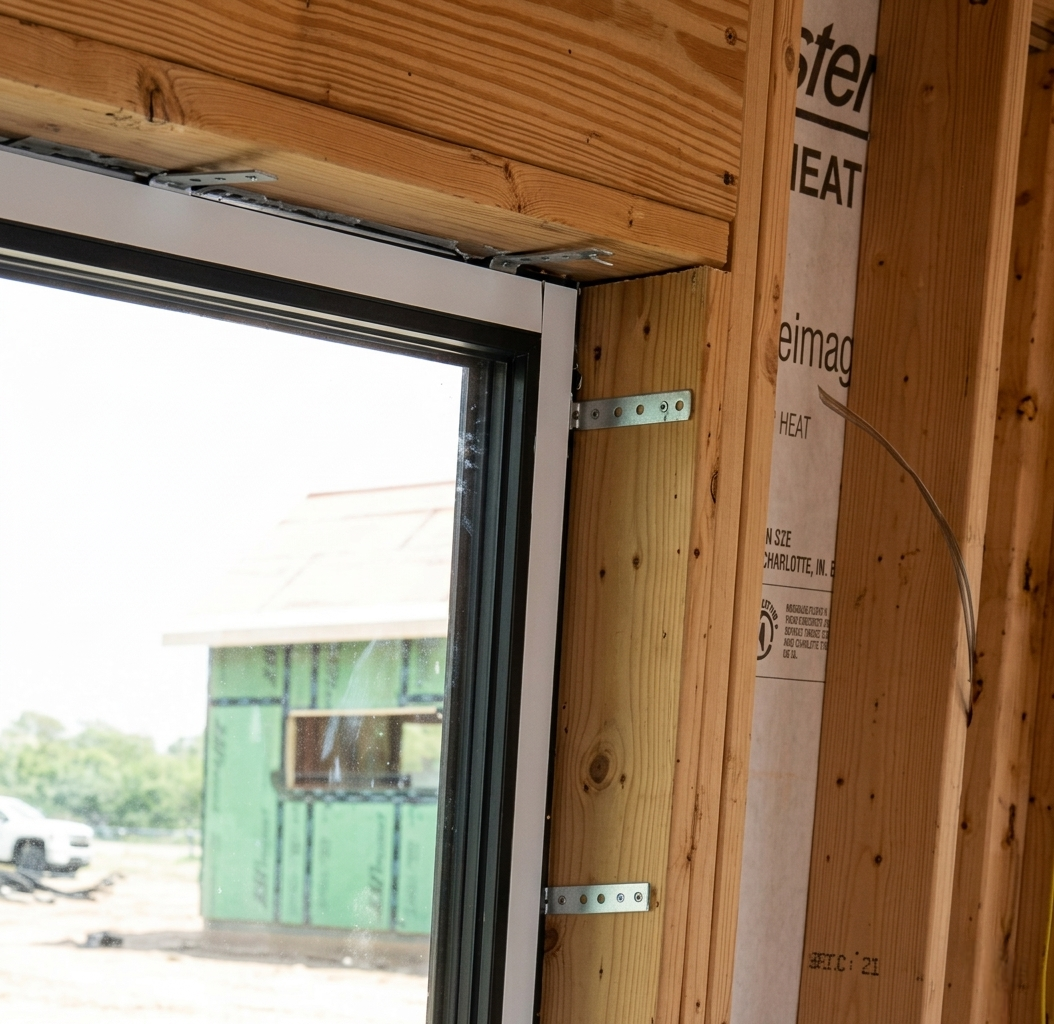
Steel clips screw into any wall type
L-shaped steel clips lock into frame groove, screw into wall
  • Works in wood, steel, masonry, and concrete walls
  • Installation clips lock into the frame groove — no drilling through frame
  • Ideal for replacement & remodeling — no nail fin required
  • Can also be done with direct screws straight into the wall
  • Same process — compatible with all construction types
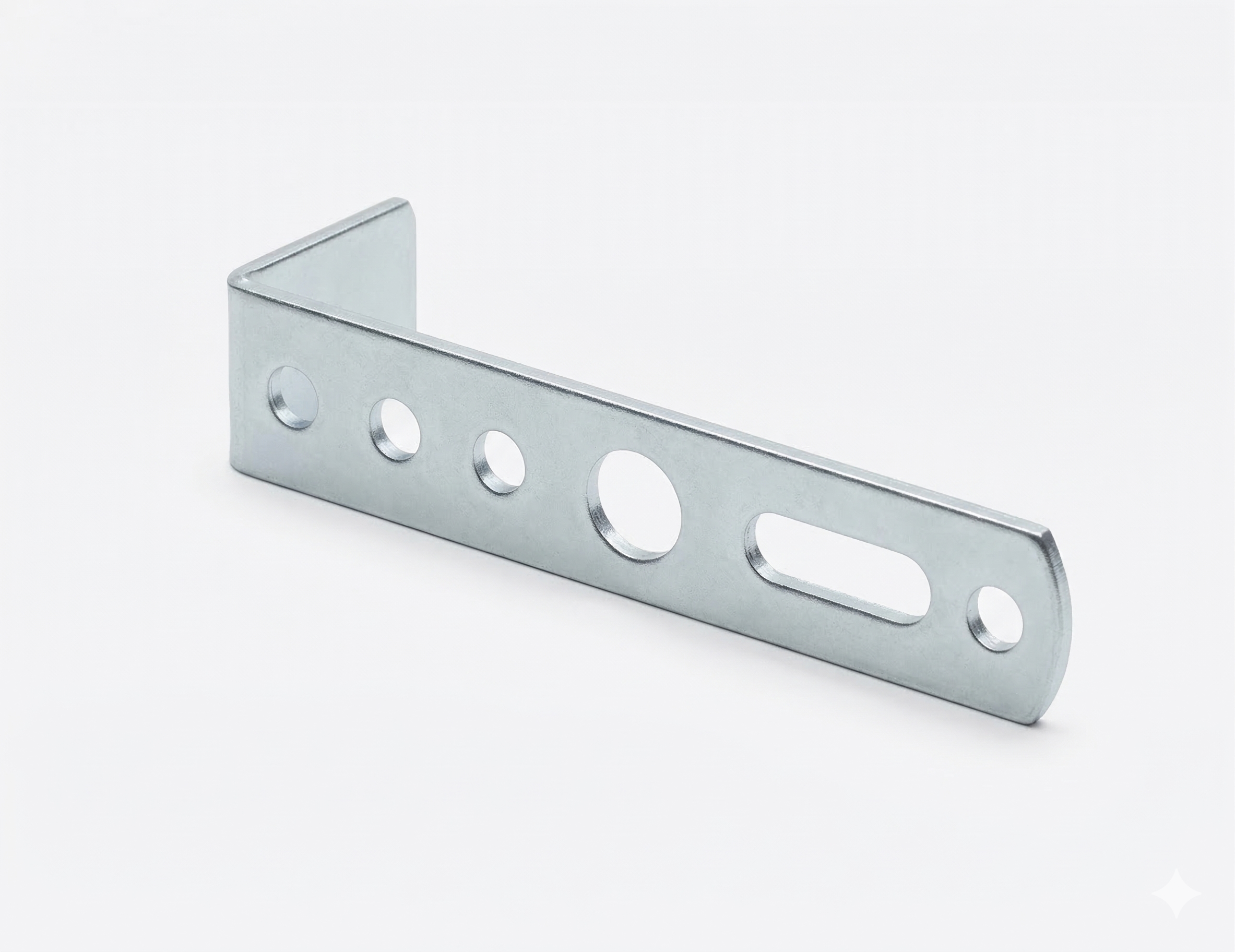
How the clip system works — 3 steps
Step 1 — Clip slides into uPVC frame groove
Step 1
Clip slides into frame groove
The steel bracket slides into the groove running along the back of the uPVC frame. No drilling into the frame needed.
Step 2 — Bracket rotated into wall opening
Step 2
Bracket rotated & positioned
Rotate 90° to lock and extend into the wall opening. Spaced every 400–600mm around the perimeter.
Step 3 — Frame leveled, screwed and sealed
Step 3
Frame leveled, screwed & sealed
Frame packed level, each clip screwed into wall. Gap filled with low-expansion foam and silicone sealed outside.
New ConstructionAny wall type
→
Installation ClipsBracket fixing to structure
→
Replacement / RetrofitDirect screws into existing wall
→
Any Wall SystemWood · Steel · Masonry · Concrete
Confidential — For Partner & Distributor Use Only  ·  elika.world
© 2026 Elika Windows
Menu