
Are European Windows Legal in the United States?
What makes a window legal in the U.S.?
In the United States, a window is considered legal when it complies with local building codes, energy efficiency standards, and safety requirements such as tempered glass and emergency egress. There is no U.S. law that prohibits the use of European window systems; approval is performance-based, not dependent on country of manufacture.
Do European Windows Need NFRC Certification?
In most residential projects, NFRC-rated performance values are required to demonstrate compliance with U.S. energy codes. These values can be provided through NFRC-approved simulation reports or full NFRC product certification, depending on project requirements and local jurisdiction.
How Are European Windows Installed Without a Nailing Fin?
European windows are typically installed using mounting brackets instead of traditional nailing fins. This method is accepted under U.S. codes when proper flashing and sealing are applied according to manufacturer and code guidelines.
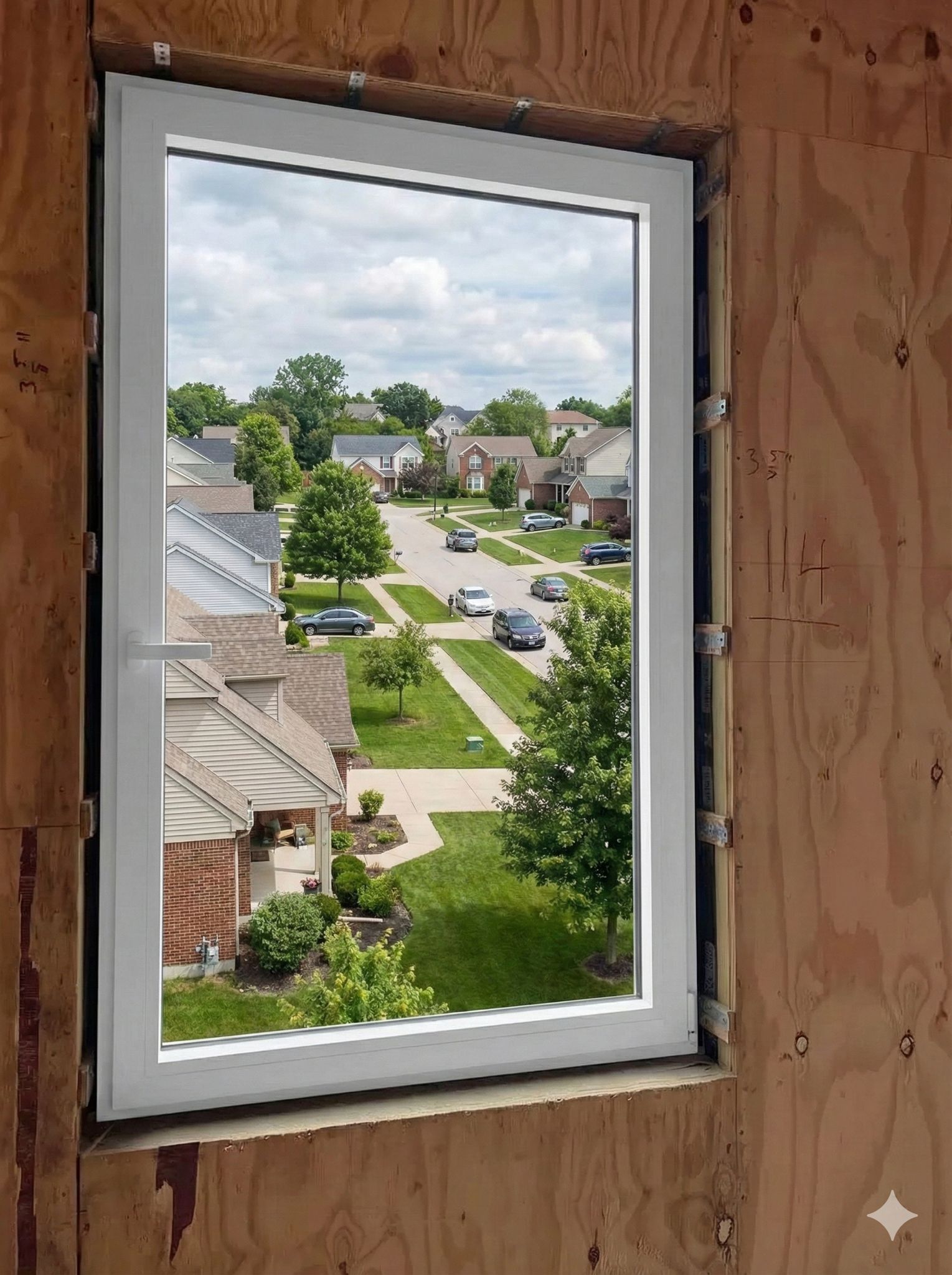
European Windows vs. Single-Hung U.S. Windows
The primary difference lies in design philosophy. European windows prioritize airtight sealing, multi-point locking, and full operable openings, while traditional single-hung windows prioritize simplicity and partial ventilation.
| Feature | American Windows (Single-Hung) |
European Windows (Tilt & Turn) |
|---|---|---|
| Ventilation Area | 50% Max Opening | 100% Full Opening |
| Locking System | Single-point Sash Lock | Multi-point Locking (Security) |
| Glazing Capability | Max 0.75" - Double Pane | Up to 1.65" - Triple Pane |
| Sealing Mechanism | Brush Seals / Weatherstripping | Compression Gaskets (Airtight) |
| Maintenance | Exterior Access / Ladders Required | Safe Cleaning from Inside |
| Energy Efficiency | Standard Insulation (Prone to leaks) | Superior Thermal Insulation |

Do Tilt & Turn Windows Meet Egress Requirements?
Tilt & turn windows can meet U.S. egress requirements when the clear opening dimensions comply with code minimums. Egress approval depends on size and application, not window opening style.
Safety Glass and U.S. Code Requirements
U.S. building codes require tempered or safety glass in specific locations such as doors, low-height windows, and hazardous areas. European windows must comply with these safety glazing requirements (often referencing CPSC standards) to be approved.
Frequently Asked Questions
Are European windows legal in all U.S. states?
Yes, provided they meet local building and energy code requirements.
Can inspectors reject imported European windows?
Yes, inspectors may request supporting documentation to verify code compliance.
Do European windows automatically exceed U.S. codes?
No. Compliance depends on verified performance, not design claims.
Is bracket installation accepted by U.S. inspectors?
Yes, when installed and sealed correctly.
Are European windows suitable for U.S. climate zones?
Yes, when specified with appropriate glazing and performance ratings.
Who makes the final approval decision?
Final approval is always determined by the local Authority Having Jurisdiction (AHJ).
Official Resources & References
For more information regarding U.S. building codes, window certifications, and energy standards, please refer to the following official organizations:
Conclusion
European windows are fully legal in the United States when they comply with applicable energy, safety, and building code requirements.